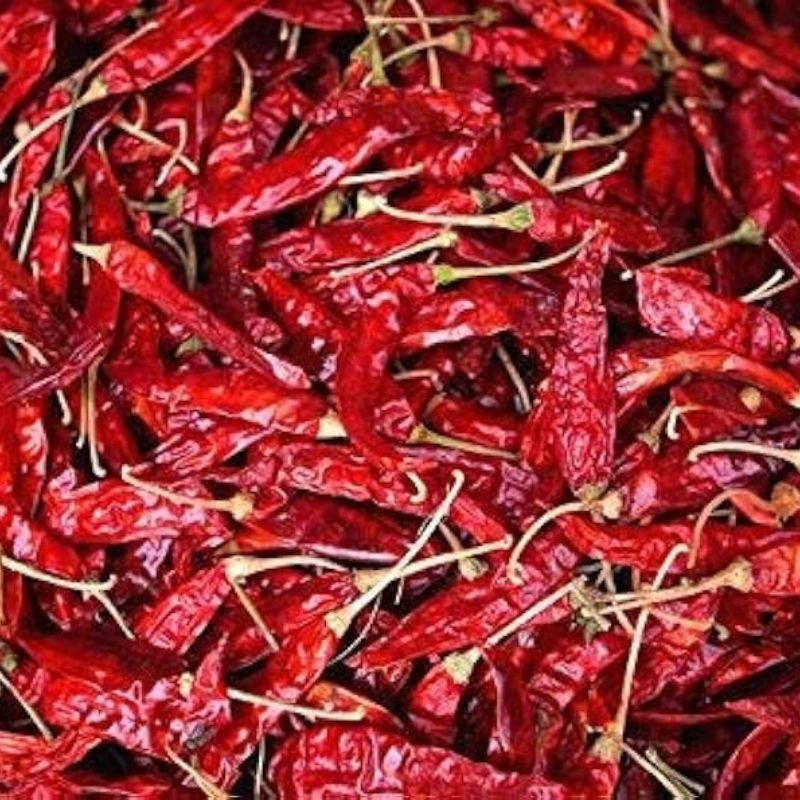
Guntur chilli powder is a familiar ingredient in commercial kitchens and food manufacturing units across India. It can add vibrant colour, noticeable heat, and a distinctive chilli flavour to everything from spice blends and sauces to snacks, pickles, marinades, and ready-to-eat foods. However, buying chilli powder for commercial production is different from purchasing a small household pack. Manufacturers need consistent quality because even a small variation in colour, pungency, moisture, or texture can affect the final product.
For businesses purchasing Guntur chilli powder in bulk, the goal is not simply to find a bright red powder at a competitive price. The product should match the recipe, production process, quality requirements, and expected batch consistency.
Why Guntur Chilli Powder Is Popular in Food Production
Guntur is well known for chilli cultivation, and Guntur chilli varieties are widely associated with the Indian spice trade. Their powder is used in numerous commercial food applications because chilli can contribute both colour and heat to a formulation.
Food manufacturers may use Guntur chilli powder in:
- Masala and spice blends
- Pickles and chutneys
- Chilli sauces and cooking sauces
- Namkeen and snack products
- Marinades
- Ready-to-cook foods
- Restaurant and catering preparations
- Processed food formulations
The right grade depends on what the finished product needs. A snack manufacturer may focus on heat and flavour, while a sauce producer may place greater importance on colour, smooth blending, and consistency.
Start With Colour, but Do Not Judge Quality by Colour Alone
Colour is one of the first things buyers notice when examining chilli powder. A suitable Guntur red chilli powder should have an appearance appropriate to its chilli variety and processing method.
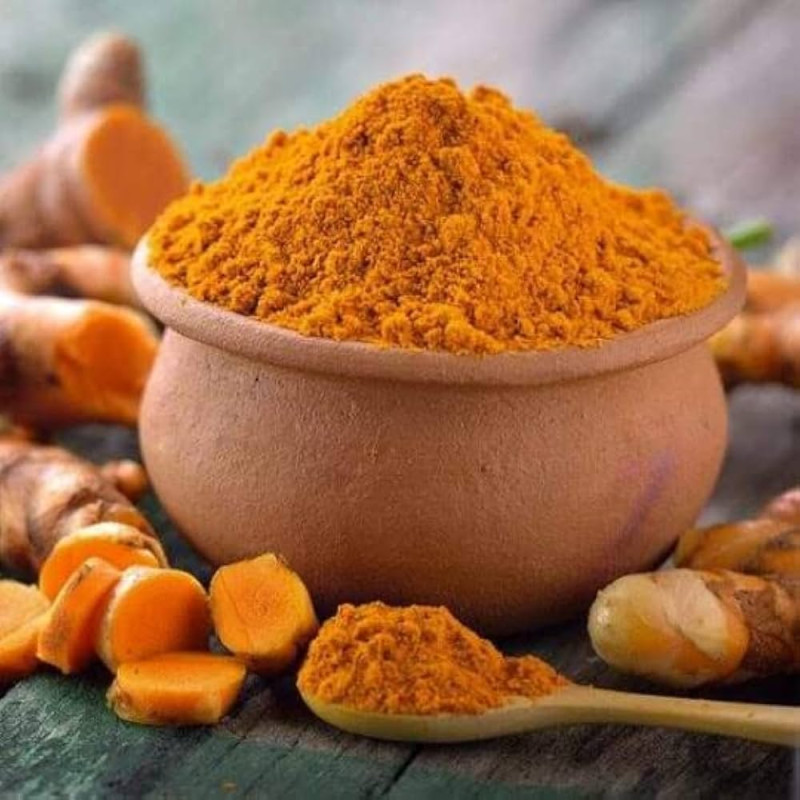


A strong red appearance can be desirable in gravies, sauces, spice blends, and snacks, but colour alone does not prove quality. Buyers should also consider aroma, pungency, freshness, purity, and grinding consistency.
When evaluating samples, look for:
- Uniform colour throughout the powder
- No unusual discolouration
- No visible foreign particles
- A natural chilli appearance
- Similar colour between different samples or batches
For commercial production, maintaining a consistent colour profile can help manufacturers achieve a more predictable appearance in finished products.
Choose the Heat Level According to Your Recipe
Not every food product requires the same level of pungency. This is particularly important when purchasing chilli powder for large-scale production because changing the chilli grade can alter the flavour profile of an established recipe.
Before ordering bulk Guntur chilli powder, determine how much heat the product formulation requires.
For example:
| Food Application | Common Requirement |
|---|---|
| Spice Blends | Balanced heat and chilli flavour |
| Chilli Sauces | Strong chilli character |
| Snack Seasoning | Noticeable and controlled pungency |
| Pickles | Heat with strong chilli flavour |
| Marinades | Controlled heat and good blending |
| Ready-to-Eat Foods | Consistent heat across batches |
A commercial buyer should select the chilli powder according to the desired final flavour rather than simply choosing the hottest available grade.
About Shree Siddivinayak Enterprises
Shree Siddivinayak Enterprises, based in Dharwad, Karnataka, is a manufacturer and exporter of quality agricultural and spice products. With years of industry experience, we focus on supplying carefully selected raw materials with modern processing, strict quality checks, hygienic handling, and attractive packaging. We serve wholesalers, retailers, traders, exporters, spice manufacturers, food processing companies, distributors, and bulk buyers across India. Our commitment to consistent quality, competitive pricing, timely delivery, and customer-focused service helps us build strong and lasting business relationships.
Our Key Features
- Established and experienced agricultural product supplier
- Manufacturer and exporter of spices and agricultural products
- Carefully selected quality raw materials
- Modern processing and hygienic handling
- Strict quality control procedures
- Customized product specifications and packaging
- Competitive pricing for bulk requirements
- Safe and attractive product presentation
- Timely delivery across India
- Experienced and skilled team
- Customer-focused business approach
- Reliable supply for wholesalers, retailers, distributors, and bulk buyers
Pay Attention to Aroma and Freshness
Freshness has a direct influence on the sensory quality of chilli powder. A good sample should have a recognizable chilli aroma rather than an unusually stale, musty, or dull smell.
This is especially relevant for food manufacturers because chilli is often combined with other ingredients. If the chilli powder has weak or undesirable sensory properties, increasing its quantity may not produce the desired result.
Aroma, flavour, and pungency should work together. A chilli powder that provides colour but lacks the expected chilli character may not deliver the same result in commercial recipes.
Check the Grinding Quality and Texture
The physical texture of chilli powder can affect how easily it mixes with other ingredients. Uniform grinding can be useful for spice blends, seasoning mixes, sauces, and processed foods where consistent distribution is required.
Consider the following points when checking the powder:
- Uniform particle size
- Suitable fineness for the intended application
- Easy blending with other ingredients
- No excessive lumps
- No visible foreign material
A manufacturer should select the grind according to the production process rather than assuming that an extremely fine powder is always the most suitable option.
Review Purity and Product Information
For commercial procurement, purity is an important part of product evaluation. Buyers should review the ingredient information and product specifications supplied with the chilli powder.
The basic information worth checking can include:
| Specification | Why It Matters |
|---|---|
| Product Name | Confirms the intended chilli grade |
| Ingredient Details | Helps verify product composition |
| Colour | Supports formulation consistency |
| Pungency | Helps control recipe heat |
| Moisture Information | Useful for storage and processing |
| Grinding Grade | Helps match production requirements |
| Batch Details | Supports traceability |
| Shelf-Life Information | Helps with inventory planning |
Clear product information allows procurement teams to compare samples and quotations more effectively.
Consider Moisture and Storage Conditions
Moisture can influence the handling and storage performance of powdered spices. Chilli powder should be kept in suitable conditions that protect it from excessive humidity, heat, contamination, and direct exposure to unsuitable environments.
For commercial storage, businesses should focus on:
- A clean and dry storage area
- Protection from moisture
- Properly closed packaging
- Suitable temperature conditions
- Separation from strong-smelling materials
- Organized stock rotation
Good storage practices are important because even a quality product can lose desirable properties if it is stored improperly after purchase.
Test Samples Before Buying in Bulk
One of the most practical steps for commercial buyers is to evaluate a sample before committing to a large order. A sample gives the production team an opportunity to see how the chilli powder performs under real conditions.
Instead of judging the product only by appearance, test it in the intended recipe.
Compare:
- Colour after cooking or processing
- Heat level
- Aroma
- Flavour
- Texture
- Blending performance
- Overall effect on the finished product
This approach can provide a clearer picture of whether a particular Guntur chilli powder supplier can meet the application's requirements.
Match the Product With Your Production Requirements
Different manufacturers have different priorities. A spice blender may need a balanced chilli profile, whereas a snack manufacturer could require a particular level of heat and colour.
Before purchasing wholesale Guntur chilli powder, establish the basic specifications required for production.
A simple procurement profile might include:
Chilli variety → desired heat → colour requirement → grind size → quality parameters → required quantity → delivery schedule
Having these details ready makes supplier discussions more straightforward and helps reduce unnecessary variation between orders.
Compare Price With Usable Quality
Price is naturally important when purchasing commercial quantities, but the lowest quotation does not automatically represent the lowest overall production cost.
A cheaper chilli powder may require adjustments to a recipe if its colour, pungency, or flavour differs from the expected specification. On the other hand, a product that consistently performs according to the formulation may be easier to use across repeated production runs.
When comparing bulk Guntur chilli powder, consider the complete value of the product, including quality consistency, application performance, quantity requirements, and supply reliability.
Evaluate Supply Capacity for Regular Orders
Food manufacturers often need chilli powder repeatedly rather than as a one-time purchase. Consistency between deliveries can therefore become an important procurement consideration.
Before establishing regular purchasing, clarify:
- Available supply quantity
- Minimum order requirements
- Product specifications
- Batch information
- Expected delivery schedule
- Storage and shelf-life details
- Availability of samples
- Documentation provided with the product
A clear understanding of these details can make recurring procurement easier to manage.
A Practical Approach to Buying High Quality Guntur Chilli Powder
Selecting the right chilli powder does not need to be complicated. Start by identifying exactly what your food product requires, then compare samples based on practical production criteria.
A useful buying process is:
- Define the required colour and heat level.
- Identify the appropriate grinding grade.
- Request a product sample.
- Check appearance, aroma, texture, and flavour.
- Test the sample in the actual food formulation.
- Review available product and batch information.
- Compare commercial pricing and supply terms.
- Confirm that the product can meet recurring production needs.
This method gives commercial buyers a more practical basis for purchasing than relying on appearance or price alone.
Frequently Asked Questions About Guntur Chilli Powder
1. What is Guntur chilli powder commonly used for?
Guntur chilli powder is commonly used in spice blends, sauces, pickles, chutneys, snack seasonings, marinades, ready-to-cook foods, and other commercial food preparations.
2. How can I evaluate the quality of Guntur chilli powder?
Check its colour, aroma, pungency, texture, freshness, purity, grinding consistency, and available product information. Testing a sample in the intended recipe is also useful.
3. Is Guntur chilli powder valued more for colour or heat?
The balance depends on the chilli variety and grade. Commercial buyers should select a product according to whether their formulation primarily requires colour, heat, chilli flavour, or a combination of these qualities.
4. Why should food manufacturers test chilli powder samples?
Sample testing helps manufacturers determine how the powder performs in their actual production formula. It can reveal differences in colour, heat, aroma, flavour, and blending behaviour before a larger purchase is made.
5. How should bulk chilli powder be stored?
It should generally be stored in a clean, dry environment and protected from moisture, excessive heat, contamination, and unsuitable exposure. Proper stock rotation can also help maintain product quality.
6. What should I discuss with a Guntur chilli powder supplier?
Discuss the chilli variety, colour, pungency, grinding grade, ingredient information, batch details, quantity requirements, shelf-life information, documentation, pricing, and delivery schedule.
7. Can Guntur chilli powder be used for different commercial food products?
Yes. It can be used across many applications, but the required grade and quantity can differ depending on the recipe. Manufacturers should match the chilli powder with the specific formulation and processing method.