Buying turmeric powder in bulk is not simply about finding the lowest price per kilogram. For spice manufacturers, food processors, retailers, restaurants, and distributors, the quality and consistency of turmeric powder can directly affect the final product. Color, aroma, curcumin content, texture, purity, packaging, and supply consistency all matter when purchasing larger quantities.
Whether you are sourcing turmeric powder for masala production, seasoning blends, food preparation, or resale, having clear purchasing requirements can make the process much smoother. This guide covers the practical points bulk buyers should consider when sourcing turmeric powder for commercial use.
Why Turmeric Powder Is a Regular Bulk Ingredient for Spice Businesses
Turmeric is one of the most commonly used spices in Indian cooking and spice manufacturing. Its distinctive yellow color, earthy aroma, and characteristic flavor make it useful across numerous food applications.
Spice manufacturers use turmeric powder as an ingredient in blended masalas, curry powders, seasoning mixes, and ready-to-cook products. It is also purchased by restaurants, hotels, caterers, food processors, wholesalers, and retail businesses.
For commercial buyers, purchasing in bulk can simplify inventory planning and provide a steady supply for regular production. However, the product should match the specifications required for the intended application.
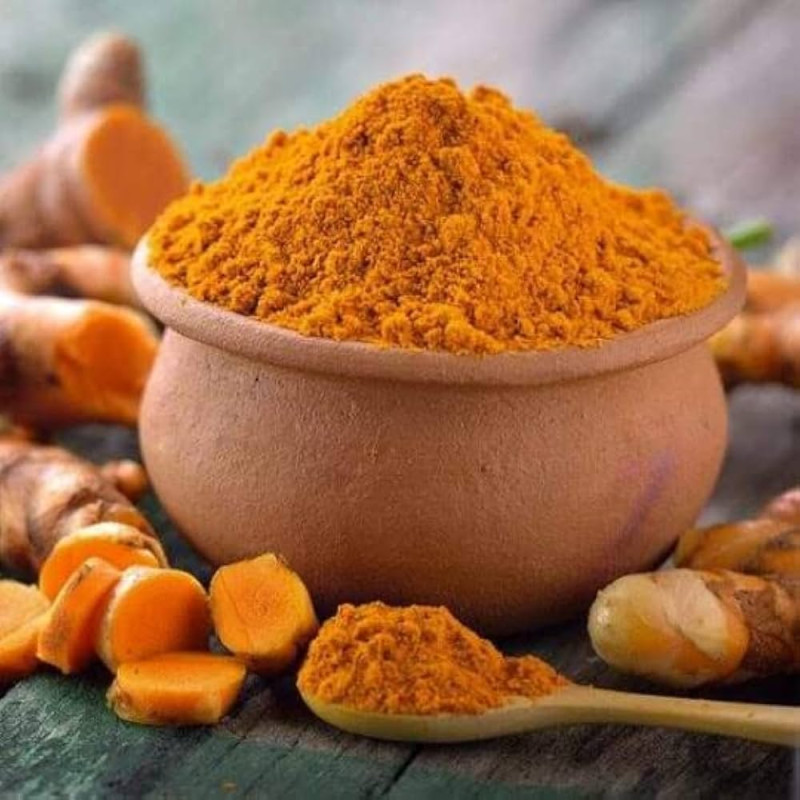


How Turmeric Powder Is Produced From Dried Turmeric
Commercial turmeric powder generally starts with dried turmeric fingers, which are cleaned and processed before grinding.
The basic process can involve several stages:
- Selection of suitable dried turmeric
- Cleaning to remove unwanted materials
- Drying or moisture control where required
- Grinding into powder
- Sieving for a uniform particle size
- Hygienic packing and storage
The processing method can influence the final appearance, texture, aroma, and consistency of the powder. For bulk buyers, asking about processing practices can therefore be useful when comparing different products.
Turmeric Powder Grades and Quality Levels for Different Applications
Not every buyer needs exactly the same type of turmeric powder. A restaurant may have different requirements from a spice manufacturer producing a branded masala blend.
For example, a manufacturer may prioritize consistent color and particle size, while a food processor may have specific requirements for purity, moisture, or curcumin content.
| Buyer Type | Common Requirement |
|---|---|
| Spice Manufacturers | Consistent color, aroma, texture and batch quality |
| Food Processors | Defined specifications and hygienic processing |
| Restaurants | Flavor, color and practical bulk supply |
| Retailers | Attractive quality and suitable packaging |
| Distributors | Consistent supply and commercial pack sizes |
Defining the application before purchasing makes it easier to communicate requirements to a wholesale turmeric powder supplier.
Important Turmeric Powder Specifications for Wholesale Purchasing
Specifications provide a practical way to compare products beyond appearance and price. Buyers should establish the parameters that matter for their particular application.
Some commonly discussed specifications include:
- Curcumin content
- Moisture level
- Color intensity
- Particle size or fineness
- Aroma
- Taste
- Purity
- Foreign matter control
- Processing method
- Packaging size
A clear specification sheet can also help manufacturers maintain consistency when placing repeat orders.
Curcumin Content and Why It Matters in Bulk Turmeric
Curcumin is one of the naturally occurring compounds associated with turmeric. When purchasing commercial turmeric powder, buyers may encounter products with different curcumin levels.
The required level depends on the intended use and product specification. A buyer producing a particular spice blend may have a defined requirement, while another business may focus more heavily on color, flavor, or cost.
Instead of assuming that a higher stated curcumin level automatically makes a product suitable for every application, match the specification to the actual purpose of the powder.
About Shree Siddivinayak Enterprises
Shree Siddivinayak Enterprises, based in Dharwad, Karnataka, is a manufacturer and exporter of quality agricultural and spice products. With years of industry experience, we focus on supplying carefully selected raw materials with modern processing, strict quality checks, hygienic handling, and attractive packaging. We serve wholesalers, retailers, traders, exporters, spice manufacturers, food processing companies, distributors, and bulk buyers across India. Our commitment to consistent quality, competitive pricing, timely delivery, and customer-focused service helps us build strong and lasting business relationships.
Our Key Features
- Established and experienced agricultural product supplier
- Manufacturer and exporter of spices and agricultural products
- Carefully selected quality raw materials
- Modern processing and hygienic handling
- Strict quality control procedures
- Customized product specifications and packaging
- Competitive pricing for bulk requirements
- Safe and attractive product presentation
- Timely delivery across India
- Experienced and skilled team
- Customer-focused business approach
- Reliable supply for wholesalers, retailers, distributors, and bulk buyers
How Turmeric Powder Quality Can Affect Spice Blending and Food Production
When turmeric is used as an ingredient in a commercial product, consistency becomes especially important. Variations between batches can influence the appearance and sensory characteristics of the finished blend.
For example, differences in color may affect the visual appearance of a masala. Changes in fineness can influence how evenly the powder mixes with other ingredients. Excess moisture can also create storage and handling concerns.
For manufacturers, useful quality checkpoints include:
- Uniform appearance
- Consistent particle size
- Suitable aroma and flavor
- Appropriate moisture level
- Defined curcumin specification
- Consistent batch performance
Wholesale Turmeric Powder Packaging for Different Business Requirements
Packaging should be selected according to order size, storage conditions, transportation requirements, and consumption rate.
Smaller commercial packs may be practical for restaurants and smaller retailers, while larger food-grade bags can be more suitable for spice manufacturers and distributors.
When evaluating bulk turmeric powder packaging, consider:
- Pack weight
- Packaging material
- Moisture protection
- Ease of handling
- Storage requirements
- Labeling and batch identification
Good packaging helps protect the powder during transportation and storage.
How to Compare Turmeric Powder Prices in Bulk Markets
Wholesale turmeric powder prices can vary considerably depending on specifications, quantity, processing, quality, market conditions, and packaging.
Rather than comparing quotations based only on the price per kilogram, look at what is included in each offer.
| Price Comparison Point | Why It Matters |
|---|---|
| Price per kg | Establishes the basic product cost |
| Order quantity | Larger quantities may have different commercial rates |
| Quality specification | Different grades can have different pricing |
| Curcumin level | May affect product positioning and cost |
| Packaging | Packaging format can influence the final price |
| Delivery terms | Transportation may affect total procurement cost |
A quotation becomes more useful when the product specifications and commercial terms are clearly stated.
Sourcing Turmeric Powder Directly From Wholesale Suppliers
For regular commercial purchasing, communication with a turmeric powder wholesale supplier can help buyers establish clear expectations before ordering.
Share details such as required quantity, preferred packaging, application, specifications, delivery location, and expected purchasing frequency. If the product is being used in a standardized manufacturing process, discussing these details early can reduce confusion during repeat procurement.
Sample evaluation can also be useful before committing to a larger order, particularly when consistent product performance is important.
Turmeric Powder Supply for Spice Manufacturers and Food Businesses
Different businesses consume turmeric powder at different rates. A small restaurant may order periodically, while a spice manufacturer could require substantial quantities for continuous production.
Bulk buyers can plan procurement around:
- Monthly consumption
- Production schedules
- Seasonal sales
- Warehouse capacity
- Expected customer demand
- Lead time for replenishment
A practical purchasing plan helps prevent both unnecessary stock accumulation and production interruptions.
Storage and Handling Practices for Bulk Turmeric Powder
Once turmeric powder reaches the warehouse, proper handling becomes part of maintaining product quality. The storage area should be clean, dry, well maintained, and protected from moisture and contamination.
Keep bulk packs properly sealed and avoid exposing them unnecessarily to humid conditions. Store products in a way that allows easy inspection and stock rotation.
Businesses handling large quantities can also maintain basic batch records to make inventory management easier.
From Sample Evaluation to Regular Turmeric Powder Supply
For new buyers, a sample can provide an opportunity to assess whether the powder matches the required specifications before placing a larger commercial order.
During evaluation, check the factors that matter for your application, such as:
- Appearance and color
- Aroma
- Texture and fineness
- Taste where applicable
- Moisture specification
- Curcumin requirement
- Packaging condition
Once a suitable specification has been established, keeping the same requirements for future purchases can make repeat sourcing more consistent.
Frequently Asked Questions About Wholesale Turmeric Powder
1. What is the best turmeric powder grade for spice manufacturing?
► The suitable grade depends on the manufacturer's recipe and product specifications. Color, curcumin content, moisture, particle size, purity, aroma, and consistency can all be considered.
2. How is turmeric powder different from turmeric fingers?
► Turmeric fingers are whole dried turmeric pieces, whereas turmeric powder is produced by grinding processed dried turmeric into a fine or controlled particle size. Powder is generally more convenient for direct use in spice blends and food production.
3. What curcumin percentage is suitable for bulk turmeric powder?
► There is no single percentage suitable for every commercial application. Buyers should select a curcumin specification based on their intended use and product requirements.
4. How should bulk turmeric powder be stored?
► Store it in a cool, dry and hygienic environment, protected from moisture, contamination, excessive heat, and direct exposure to unsuitable storage conditions. Keep packaging properly closed when not in use.
5. Can turmeric powder be purchased in customized bulk quantities?
► Commercial buyers can discuss required quantities and packaging formats with suppliers. The appropriate order size depends on consumption, storage capacity, production requirements, and supply arrangements.
6. How can manufacturers maintain consistency across turmeric powder batches?
► Manufacturers can define clear product specifications and use them consistently for procurement. Monitoring factors such as color, moisture, particle size, purity, and curcumin content can support more consistent raw-material sourcing.